
How to Source Custom Metal Parts from China: A Practical Guide for OEM Buyers
Every year, thousands of OEM buyers successfully source custom metal parts from China — and just as many run into delays, quality failures, and unexpected costs. The difference usually comes down to preparation and process, not luck. China remains the world’s dominant hub for metal fabrication, accounting for roughly 50% of global steel production and hosting a vast ecosystem of specialized manufacturers covering everything from precision CNC machining to high-volume metal stamping. But navigating that ecosystem without a clear framework is how buyers end up with a container load of out-of-tolerance brackets or welded assemblies that don’t pass incoming inspection. This guide lays out a practical, experience-tested approach to how to source custom metal parts from China — covering supplier selection, quality control, shipping terms, and the pitfalls that catch even seasoned procurement managers off guard.
1. Why China Still Makes Sense for Custom Metal Parts
The conversation around supply chain diversification is real, and worth having. But the underlying economics of Chinese metal fabrication haven’t fundamentally shifted. For most OEM buyers, three factors continue to drive the decision:
Cost Competitiveness
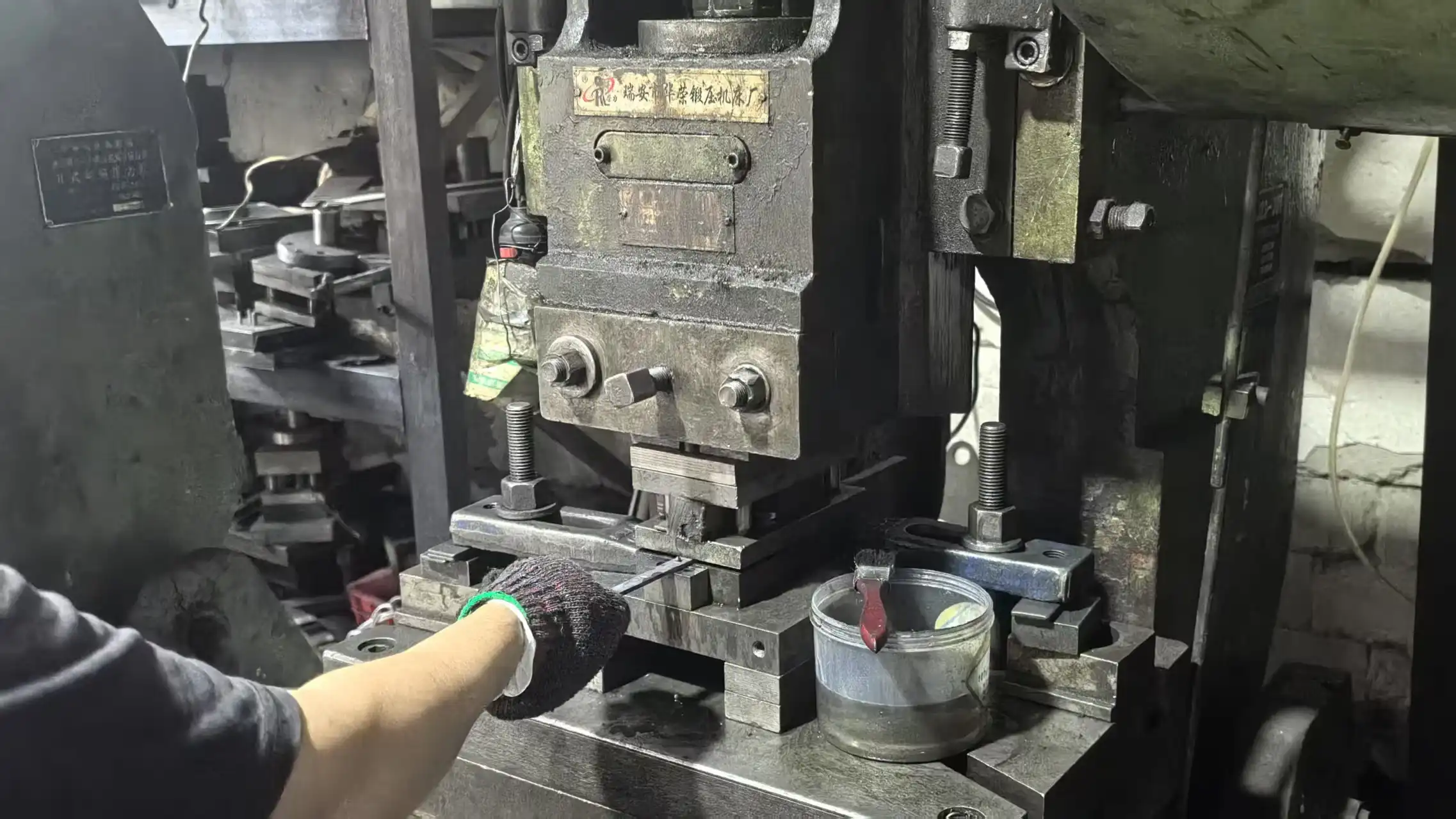
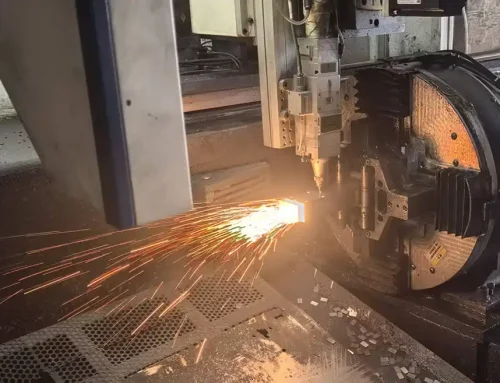
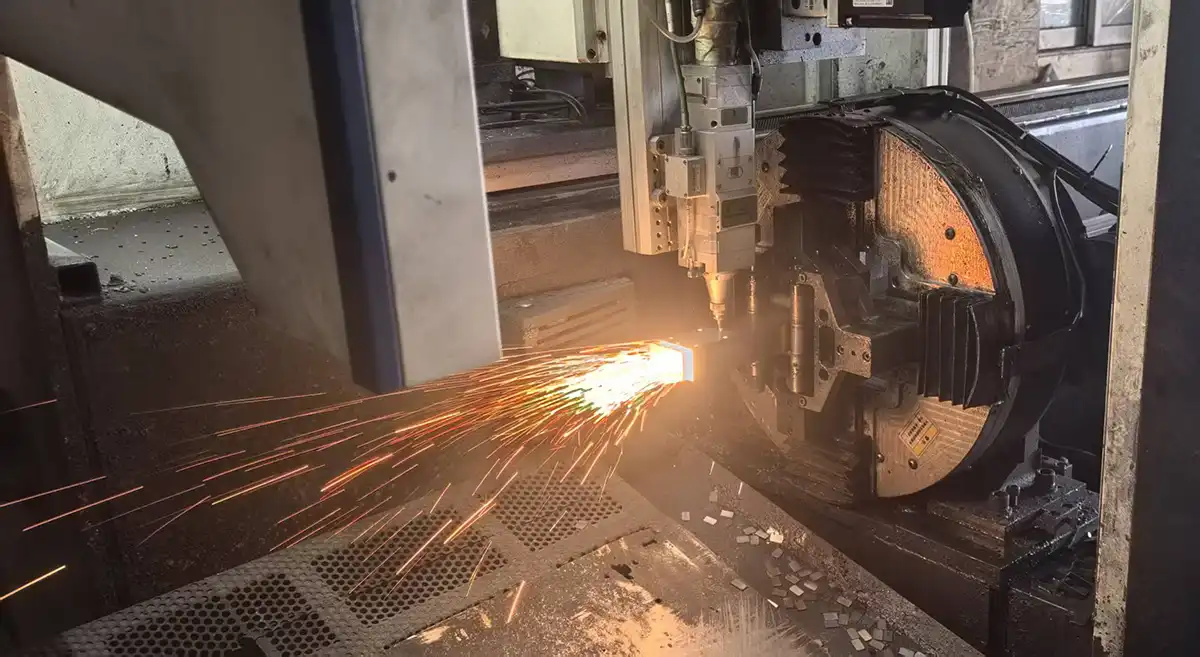
Labor costs in China’s manufacturing heartland — Zhejiang, Guangdong, Jiangsu — have risen significantly since the early 2000s, but they remain well below comparable labor markets in Europe or North America. More importantly, Chinese fabricators have compensated by investing heavily in automation. A facility running fiber laser cutting machines, robotic welding cells, and automated press brakes can produce high-complexity parts at a unit cost that Western shops simply can’t match on volume runs. For a stamped steel enclosure that might cost $18 per unit from a German supplier, a qualified Chinese manufacturer can often deliver at $6–9 FOB Shanghai, even after factoring in freight and import duties.
Process Breadth and Capacity
One of the underappreciated advantages of sourcing from established Chinese fabricators is the range of processes available under one roof — or within a tightly coordinated cluster of suppliers. Laser cutting, CNC bending, MIG/TIG welding, powder coating, and assembly can often be managed by a single manufacturer, reducing handoffs and simplifying your supply chain. This is particularly valuable for OEM buyers who need fabricated subassemblies rather than individual components.
Scalability
Whether you’re ordering 500 prototypes or 50,000 production units, Chinese fabricators can typically scale to meet demand. This flexibility is harder to find in smaller markets. Tooling amortization across high volumes also dramatically reduces per-unit cost on stamped or formed parts, making China especially attractive for products heading toward mature production runs.
2. How to Vet Suppliers: Factory vs. Trading Company, and What to Look For
The first critical decision when learning how to source custom metal parts from China is whether you’re dealing with an actual manufacturer or a trading company acting as an intermediary. Both can work, but they come with different tradeoffs.
Factory vs. Trading Company
A direct factory offers better pricing, direct communication with engineers, and tighter control over production. The tradeoff is that factories are often less polished in their English communication and may have narrower process capabilities. Trading companies aggregate capacity across multiple factories, which can be useful if your parts require processes no single shop covers — but you lose transparency into where your parts are actually made and who is responsible for quality.
A reliable way to determine which you’re dealing with: ask for the factory’s business license (营业执照) and VAT registration. Ask whether they have their own machinery and request a factory tour — in person or via live video. Trading companies will often dodge or delay on these requests.
Supplier Vetting Checklist
Use this checklist when evaluating potential suppliers:
- Certifications: ISO 9001 is the baseline. For automotive or aerospace-adjacent parts, look for IATF 16949 or AS9100. These aren’t guarantees of quality, but they indicate a structured QMS is in place.
- Equipment list: Ask for a machine list with model numbers and vintages. Modern fiber laser systems (Trumpf, IPG, Han’s Laser), CNC press brakes (Amada, Bystronic), and CMM inspection equipment are positive indicators.
- Reference customers: Established factories often supply European or North American OEMs and can provide references or show non-confidential customer logos. Be skeptical of suppliers who claim large-brand customers but can’t provide any verifiable reference.
- Minimum order quantities: Understand their MOQ structure. A factory with very low MOQs may be a trading company or a shop that’s struggling for work — neither is inherently disqualifying, but worth understanding.
- Engineering capability: Send a test RFQ with a moderately complex drawing. The quality and speed of their DFM (Design for Manufacturability) feedback tells you a great deal about their engineering depth.
3. Quality Control: From First Article to Production Shipment
Quality failures in Chinese sourcing almost never happen because Chinese manufacturers are inherently careless. They happen because expectations weren’t clearly defined upfront, or because no one was checking at the right stages. A disciplined QC process eliminates most of the risk.
Prototypes and First Article Inspection (FAI)
Before committing to production, require a first article sample and conduct a formal FAI against your drawing. Measure every critical dimension. This is your one opportunity to catch tolerance interpretation errors, material substitutions, or process capability issues before they’re baked into thousands of parts. Don’t shortcut this step, even under schedule pressure.
In-Process Quality Control (IPQC)
Negotiate for access to in-process inspection data — particularly for multi-step parts involving cutting, bending, welding, and finishing. A supplier with a real QMS will have work-in-process inspection checkpoints and can share those records. If they can’t or won’t, that’s a red flag.
Pre-Shipment Inspection and Third-Party Verification
For significant orders, a pre-shipment inspection (PSI) by a third-party firm — SGS, Bureau Veritas, Intertek, or a boutique China-based QC agency — is money well spent. A standard PSI typically costs $300–500 per man-day and covers AQL sampling, dimensional checks, and visual inspection. For complex fabricated assemblies, consider a full production monitoring arrangement where an inspector visits during production, not just at the end.
Establish your Acceptable Quality Level (AQL) in writing before production begins. AQL 1.0 for critical dimensions and AQL 2.5 for minor characteristics is a common starting point for precision metal parts.
4. Common Sourcing Pitfalls — and How to Avoid Them
Experienced buyers develop a mental checklist of failure modes. Here are the most common ones when sourcing custom metal parts from China:
- Material substitution: Specifying 304 stainless and receiving 201 is more common than it should be. Require material certificates (mill certs) with every shipment and consider portable XRF testing for high-value orders.
- Drawing ambiguity: If your drawing has unclear tolerances, unspecified surface finish, or missing weld symbols, the manufacturer will make their own interpretation — and it may not match yours. Invest in clean, complete technical drawings before sending RFQs.
- Prototype-to-production drift: Some suppliers produce excellent prototypes in-house and then shift production to lower-cost subcontractors. Specify in your contract that unauthorized subcontracting is prohibited and subject to audit.
- Over-reliance on Alibaba ratings: Platform ratings reflect transaction volume and response rates, not manufacturing quality. Treat them as a rough filter, not a quality endorsement.
- Payment structure: Avoid 100% upfront payment with new suppliers. A standard structure is 30% deposit, 70% against bill of lading or inspection approval. For established relationships, more flexible terms are negotiable.
5. Shipping Terms: EXW, FOB, and CIF Explained for Metal Parts Buyers
Incoterms determine who controls logistics and bears risk at each stage of the shipment. For buyers new to China sourcing, this is an area where mistakes translate directly into cost and liability surprises.
EXW (Ex Works)
Under EXW, the buyer takes responsibility for the goods the moment they leave the factory gate — including domestic trucking to the port, export customs clearance, and all subsequent freight. This gives buyers maximum control but requires either a China-based freight forwarder or significant logistics expertise. EXW pricing is typically the lowest quoted price but is rarely the cheapest total landed cost for buyers without established freight relationships.
FOB (Free on Board)
FOB is the most common Incoterm for OEM buyers sourcing from China. The supplier handles domestic trucking and export clearance; risk passes to the buyer once the goods are loaded on the vessel at the port of origin. This is a clean, well-understood arrangement and gives buyers flexibility to negotiate ocean freight rates with their preferred forwarder.
CIF (Cost, Insurance, and Freight)
Under CIF, the supplier arranges and pays for ocean freight and marine insurance to the destination port. It sounds convenient, but it means you have less visibility into freight costs (which may be marked up) and less control over carrier selection and transit times. For buyers with established freight forwarder relationships, FOB almost always delivers better value than CIF.
One practical note: always confirm whether quoted prices are for FCL (Full Container Load) or LCL (Less than Container Load) shipments. For smaller orders of custom metal parts, LCL consolidation is common — but it adds handling risk for parts with critical surface finishes or tight packaging requirements.
If you’re evaluating suppliers for your next metal fabrication project, Conwhole’s team — based in Ningbo with direct export experience across Europe and North America — can walk you through process capabilities, lead times, and quality documentation that matches your specific requirements. Get in touch to discuss your project.
Conclusion: Building a Reliable China Sourcing Process
Knowing how to source custom metal parts from China isn’t about finding a magic supplier on a platform. It’s about building a systematic process: thorough supplier vetting, clear technical documentation, staged quality control, and commercial terms that protect your interests. Buyers who do this consistently get excellent results from Chinese fabricators. Those who skip steps — especially on first articles and pre-shipment inspection — are the ones posting cautionary tales in procurement forums.
The investment in a rigorous sourcing process pays back many times over in reduced rework, fewer shipment failures, and supplier relationships that actually improve over time.
Ready to start sourcing smarter? Conwhole specializes in custom metal fabrication for OEM buyers across Europe and North America — laser cutting, CNC bending, welding, stamping, and more, with full quality documentation and direct factory pricing. Contact us today to request a quote or discuss your requirements.

Leave A Comment