
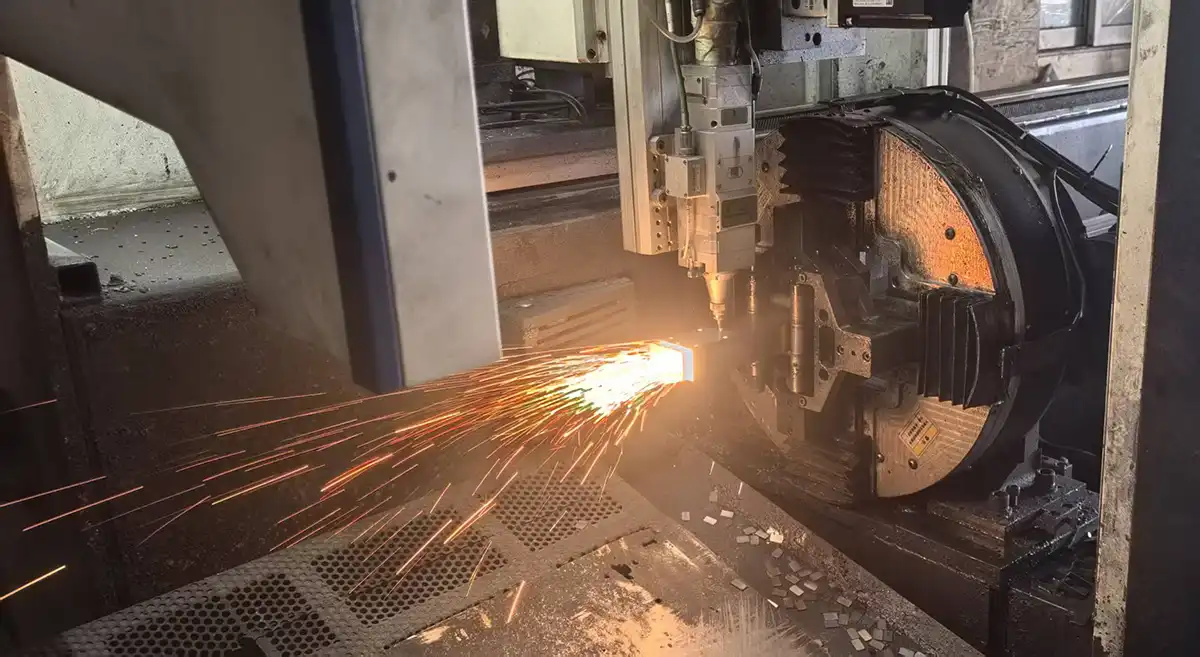
Subtitle
With our factory experience, we help you avoid costly mistakes, cut unnecessary costs, and get reliable, high-quality metal components.
You may only have a 3D rendering, a simple sketch, or an incomplete drawing. What you want is a part that looks and functions well — but you likely don’t know what real custom metal fabrication requires.
Good looks alone are not enough. A design that isn’t production-friendly can lead to high costs, difficult assembly, or even unusable parts.
Your drawings may be inaccurate, missing key dimensions, or based on material choices without clear logic. Even if your design looks attractive, it can be difficult or impossible to produce efficiently. Small oversights like these often lead to big problems later on.
With over 25 years in custom metal fabrication, we never turn away projects with a simple “we can’t do it.” Our fullDFM process turns your designs into easy-to-make, simple-to-assemble, long-lasting products. We know how frustrating it is to have a solid idea with no clear path to production, which is why we optimize your design early, before manufacturing begins.
The parts we deliver are built for real production, not just visual appeal — practical, cost-effective, and durable. Appearance matters, but so does efficiency: every part is made to be quick to produce, easy to assemble, and built to last.
Simply put, DFM stands for Design for Manufacturability.
Our goal is never to change the function or purpose of your product. We respect your design intent and preserve all the features you need.
What we do is refine structure, materials, tolerances, openings, and wall thickness from a production standpoint. Small, practical adjustments make your product easier to manufacture, more affordable, and more stable in real-world use.
Professional DFM analysis speeds up production, lowers costs, improves yields, and makes delivery more reliable. Without it, even the most attractive design can result in material waste, repeated rework, and unexpected delays. Our process helps you avoid these issues from the start.
Below is our step-by-step DFM framework, built on decades of factory experience and thousands of successful metal projects.
1: We Confirm How You Will Use the Product
Most clients don’t note stress levels, operating environments, or assembly methods on their drawings. Shapes and sizes are provided, with the expectation that the factory will handle the rest. But without clear usage context, choosing the right precision and materials becomes guesswork.
Producing parts without understanding their purpose risks over-engineering — which drives up your costs for no reason — or under-engineering, leading to parts that simply won’t fit.
That’s why we start by clarifying a few key points:
How will the part be used?
How long does it need to last?
Where will it be installed?
How will assembly take place?
These details let us set the right standards for your project, saving you time, money, and future rework.
2: Engineer Review & Structural Optimization
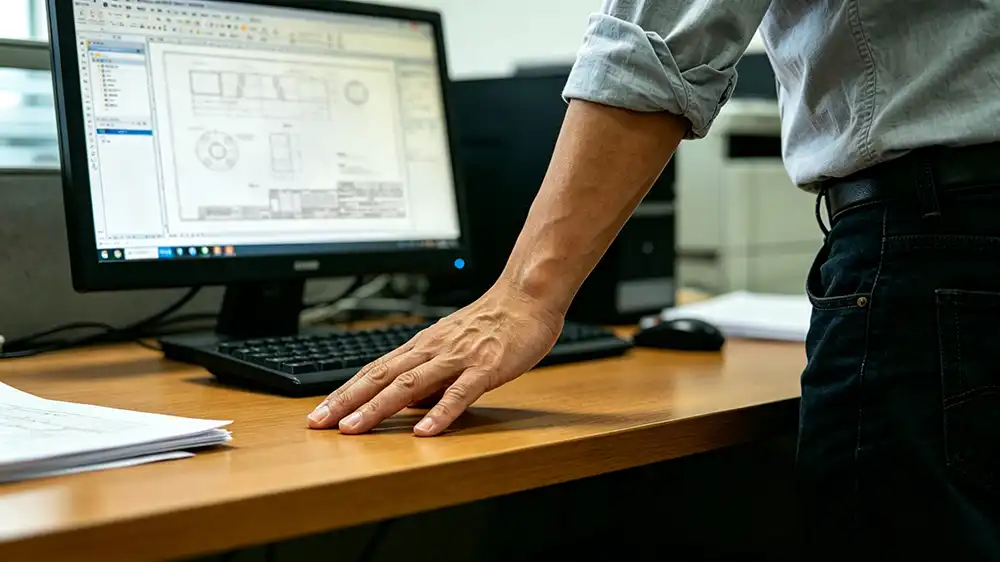
A design that looks perfect on screen often isn’t practical in real metal production. Lots of designs that look fine in 3D just won’t hold up during real cutting, bending, or welding.
Common structural issues include:
Sharp corners that lead to stress and breakage
Holes too close to edges, causing cracks
Large slots in thin tubes that easily deform
Overly complex designs that raise costs and waste
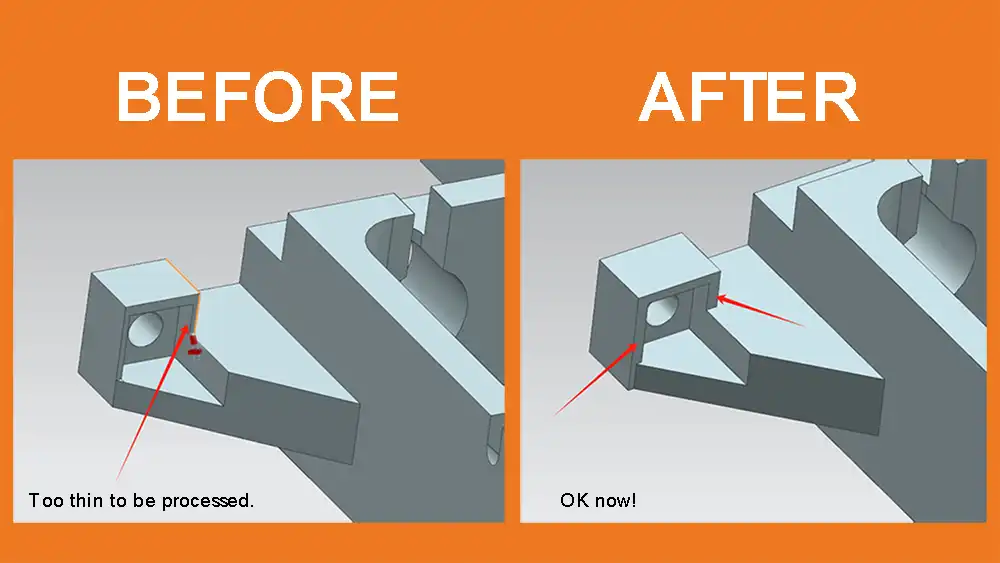
We catch these problems early and fix them with simple, practical solutions:
Use R3–R5 rounded corners instead of sharp ones
Keep holes at least 1.5 times the material thickness away from edges
Simplify complex structures into easy-to-produce parts
Check equipment limits first (we can process up to 160×160mm square tubing)
Our goal is to turn your design into a solid, usable part—not just a picture on a screen.
3: Material Selection That Fits Your Needs
You might think special or unusual materials mean better quality—but standard, easy-to-get materials usually work just as well, and cost far less.
We check what’s in stock, fits your budget, and matches how you’ll use the part. For small orders, we stick to common materials we already have on hand. For bigger orders, we can consider custom materials only when truly needed.
We won’t just follow your material choice without thinking. We help you choose what’s suitable, affordable, and easy to source, so you get quality parts without overspending.
4: Industry-Standard Tolerances for Reliable Assembly
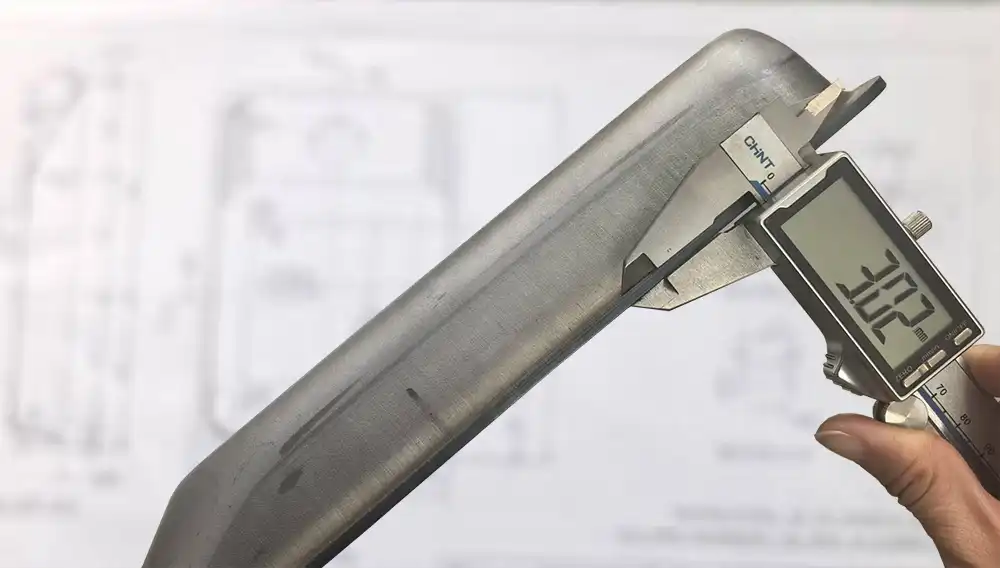
Many clients provide only dimensions, not tolerance ranges. The importance of tolerances often only becomes clear once parts arrive and fail to fit. This is one of the most frequent causes of assembly issues.
Parts are never manufactured randomly. We apply clear, industry-standard tolerances tailored to how the product will be used.
We avoid the extremes of unnecessary high precision — which can double costs — and overly loose tolerances that ruin fit. Instead, we deliver the ideal balance of accuracy, cost, and efficiency.
5: Early Planning for Surface Treatment & Assembly
Focusing only on looks often means missing small but critical details that affect finishing and assembly. These seemingly tiny issues can lead to major delays and extra costs.
Common oversights include:
Anodizing needs vent holes to avoid coating flaws
Powder coating can build up too much in deep grooves
Wrong cutting direction makes assembly difficult
Poor welding order causes parts to deform
We fix all these during the DFM stage. We adjust openings, cutting directions, and clearances early to avoid rework, delays, and extra expenses after production starts.
6: Transparent Cost Breakdowns
Many design choices drive up manufacturing costs without you realizing it.
Tiny, complex notches slow production and raise costs
Unnecessary high precision makes prices much higher
Complex shapes mean longer setup and more tool wear
We clearly explain which costs you can cut with simple design changes, and which precision levels we have to keep to ensure quality.
Our goal is to help you understand real cost drivers, with no hidden fees and no confusing technical terms — just honest, simple advice to keep your project affordable.
Conclusion
DFM optimization is not an extra service for us — it is a basic, essential step before we start any order, especially for custom metal parts and pipe processing. Good planning upfront stops costly mistakes before they happen.
If you only have a rendering, sketch, or incomplete drawing, we take full technical responsibility for your project:
Understand how the part will be used
Review and improve structural design
Choose the best materials for the job
Apply practical, industry-standard tolerances
Optimize the whole production process
This way, we solve problems early, cut down on waste, improve quality, and speed up delivery. We don’t just make parts — we make the whole process simpler and more reliable for you.
Let’s Turn Your Design Into a Real Product
If incomplete drawings, unproducible designs, or unexpectedly high quotes have slowed you down, we can help. You don’t need to be an engineer. All you need is an idea, a sketch, or a rendering — and we handle the rest.
Send us your design today for afree review. We’ll identify potential risks and suggest simple changes to make your parts easier and cheaper to produce. Our advice is clear, jargon-free, and pressure-free.
Whether you need custom metal pipes, structural parts, or other metal components, we’re here to help. Feel free to send us your basic drawing or 3D model—we’ll take care of the rest.
We provide a full free DFM analysis and optimization plan at no cost, helping you turn your idea into a high-quality, manufacturable, cost-effective final product.
Let’s build something successful together. Send us your project details, and let’s make your custom metal part a reality.

Leave A Comment